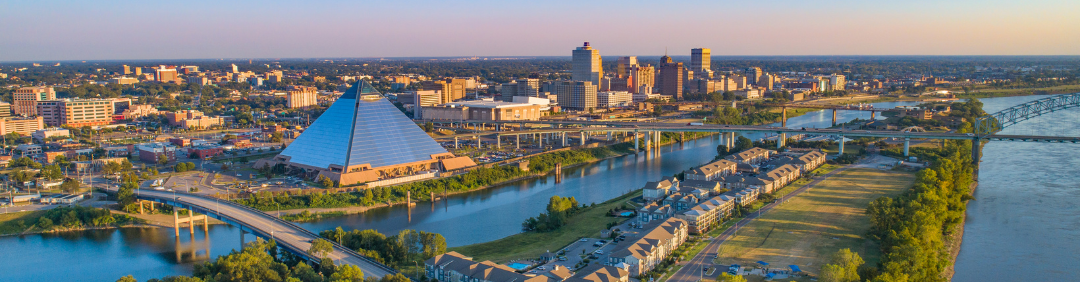
Memphis has struggled following the pandemic, which resulted in a loss of demand and business for hotels in the market. In response, the City of Memphis has initiated a significant revitalization effort to strengthen the Downtown core and reinvent Memphis as a major destination in the United States.
Industry Insights
We have written thousands of articles about all aspects of hospitality, including valuations, investing, lending, operations, asset management, and much more.
Upgrading Downtown Memphis for Modern Convention Attendees
Memphis has struggled following the pandemic, which resulted in a loss of demand and business for hotels in the market. In response, the City of Memphis has initiated a significant revitalization effort to strengthen the Downtown core and reinvent Memphis as a major destination in the United States.
Cleveland’s Quiet Climb: Resilient Hotel Market with a Balanced Demand Base
Cleveland’s hotel market is steadily recovering, driven by growing leisure travel, rebounding group and convention business, and stable healthcare demand. This diverse mix creates a balanced, resilient market, offering consistent performance and long-term stability rather than rapid, volatile growth.
How Convention Centers Change Hotel Markets
To measure the impact of convention center events, HVS analyzes daily hotel occupancy and ADR data to evaluate how convention events affect overall lodging revenues across entire markets and submarkets. We demonstrate how the impact on hotel occupancy and room rates varies based on market conditions.
Resilience on Display: Chicago Tourism Gains Momentum
Chicago’s tourism rebound strengthened in 2025, with hotel demand rising despite global headwinds. Leisure demand grew 4.6%, offsetting softer group business, while airports posted record traffic and major capital investment. Convention activity remains robust, and limited new hotel supply favors existing assets, supporting a resilient outlook for investors and operators.
Detroit Hotel Market Update: Why Investors Are Betting on Motown
Billions of dollars in new development are reshaping Downtown Detroit and transforming its hotel market. From landmark mixed-use towers to a revitalized riverfront, the investment activity underway is generating new demand, attracting first-time visitors, and positioning Motown as a legitimate destination for both leisure and business travel.
The Growth Driving Hospitality Strength in Raleigh
Raleigh’s hotel market outlook remains strong, supported by its role as North Carolina’s capital and its education, healthcare, and manufacturing sectors. Demand, ADR, and RevPAR continue to rise despite new supply additions, with demand growth outpacing new supply. Major convention, mixed-use, and healthcare developments are expected to further strengthen hotel demand.
Philadelphia Lodging Market: Post-Pandemic, Today, and Beyond
Philadelphia has experienced a slower demand rebound from the effects of the pandemic. However, despite some current external headwinds, there is significant optimism for the city on the horizon, with upward momentum expected in 2026 and beyond.
HVS Takeaways: Optimism Dominates at Hunter Conference 2026
Optimism took center stage at this year’s Hunter Conference, with continued strength in luxury and upper-upscale properties driving greater investor interest. The industry remains hopeful that the FIFA World Cup will prove to be a windfall, Middle East conflicts will soon be resolved, and gas prices will stabilize, leading to a stronger second half of 2026 for RevPAR growth, hotel pricing, and transactions.
Why Is San Diego a Favorite Among Hotel Investors?
San Diego remains one of the West Coast’s most attractive hotel investment markets, driven by diversified demand from leisure, conventions, military, and life sciences. With roughly 45% of downtown keys owned by REITs and private equity, the market reflects strong institutional confidence, resilient performance, active transactions, and long-term growth supported by major infrastructure investments.
Room Supply Constraints Limiting Convention Growth in Hartford
Hartford’s hotel market has demonstrated strong performance, with occupancy and ADR exceeding pre-pandemic levels. However, a significant decline in hotel room supply has hindered the convention center’s ability to attract large-scale events, underscoring the need for additional lodging to support long-term competitiveness.
Industry Insights
We have written thousands of articles about all aspects of hospitality, including valuations, investing, lending, operations, asset management, and much more.
Cleveland’s hotel market is steadily recovering, driven by growing leisure travel, rebounding group and convention business, and stable healthcare demand. This diverse mix creates a balanced, resilient market, offering consistent performance and long-term stability rather than rapid, volatile growth.
To measure the impact of convention center events, HVS analyzes daily hotel occupancy and ADR data to evaluate how convention events affect overall lodging revenues across entire markets and submarkets. We demonstrate how the impact on hotel occupancy and room rates varies based on market conditions.
Chicago’s tourism rebound strengthened in 2025, with hotel demand rising despite global headwinds. Leisure demand grew 4.6%, offsetting softer group business, while airports posted record traffic and major capital investment. Convention activity remains robust, and limited new hotel supply favors existing assets, supporting a resilient outlook for investors and operators.
Billions of dollars in new development are reshaping Downtown Detroit and transforming its hotel market. From landmark mixed-use towers to a revitalized riverfront, the investment activity underway is generating new demand, attracting first-time visitors, and positioning Motown as a legitimate destination for both leisure and business travel.
Raleigh’s hotel market outlook remains strong, supported by its role as North Carolina’s capital and its education, healthcare, and manufacturing sectors. Demand, ADR, and RevPAR continue to rise despite new supply additions, with demand growth outpacing new supply. Major convention, mixed-use, and healthcare developments are expected to further strengthen hotel demand.
Philadelphia has experienced a slower demand rebound from the effects of the pandemic. However, despite some current external headwinds, there is significant optimism for the city on the horizon, with upward momentum expected in 2026 and beyond.
Optimism took center stage at this year’s Hunter Conference, with continued strength in luxury and upper-upscale properties driving greater investor interest. The industry remains hopeful that the FIFA World Cup will prove to be a windfall, Middle East conflicts will soon be resolved, and gas prices will stabilize, leading to a stronger second half of 2026 for RevPAR growth, hotel pricing, and transactions.
San Diego remains one of the West Coast’s most attractive hotel investment markets, driven by diversified demand from leisure, conventions, military, and life sciences. With roughly 45% of downtown keys owned by REITs and private equity, the market reflects strong institutional confidence, resilient performance, active transactions, and long-term growth supported by major infrastructure investments.
Hartford’s hotel market has demonstrated strong performance, with occupancy and ADR exceeding pre-pandemic levels. However, a significant decline in hotel room supply has hindered the convention center’s ability to attract large-scale events, underscoring the need for additional lodging to support long-term competitiveness.
Robust demand in urban centers continues to drive Canadian hotel values despite high interest rate environment.