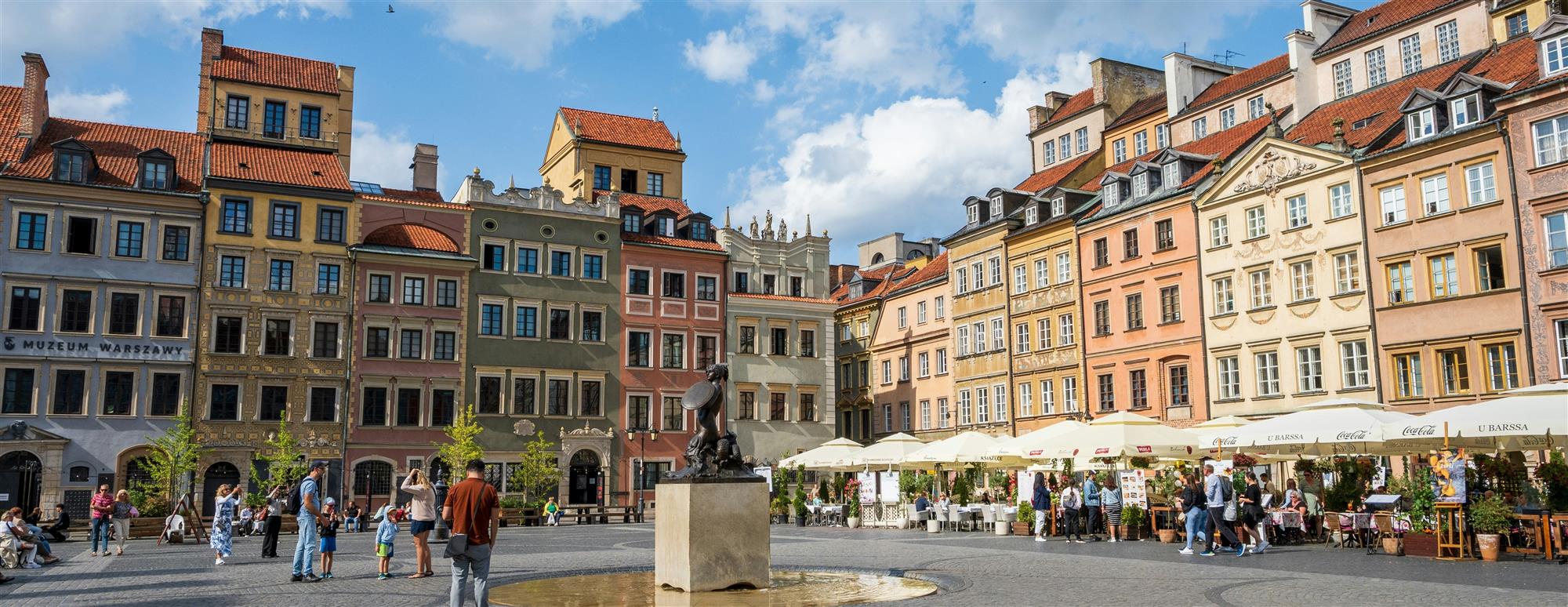
Snapshot of the Warsaw hotel market in 2026 with an exploration of tourism demand, hotel performance, hotel supply, the investment market and the market outlook.
We have written thousands of articles about all aspects of hospitality, including valuations, investing, lending, operations, asset management, and much more.
Snapshot of the Warsaw hotel market in 2026 with an exploration of tourism demand, hotel performance, hotel supply, the investment market and the market outlook.
The St. Louis lodging market struggled to find its footing in the aftermath of the COVID-19 pandemic but appeared to turn a corner in 2025 and continued to strengthen this year. Numerous recent and ongoing developments and initiatives support a positive outlook for market hotels.
This summer has been strong for the U.S. hotel sector, with weekly RevPAR gains averaging near 8.0% in June and early July, cooling slightly into 6.0% to 7.0% in August. Our RevPAR growth forecast reflects 4.5% for 2026 given the expectation that recent growth, partly fueled by World Cup matches and heightened vacation travel, will wane somewhat in the final months of the year.
Boise's hospitality market has traditionally been supported by government, education, and healthcare demand. In recent years, however, strong population growth and significant technology sector expansion have emerged as key drivers of economic activity, fueling new hotel development and supporting strong lodging performance throughout the market.
To measure the impact of the FIFA World Cup in eleven U.S. cities, we compare occupancy rates, ADR, RevPAR, and rooms revenue during the weeks of World Cup matches to the same weeks in 2025, as adjusted for the expected change in these variables in the absence of the FIFA events. We demonstrate a wide variance in the impact in host cities and discuss the underlying factors that influence these differences.
Hotel sellers can maximize buyer activity by reducing uncertainty before going to market. Presenting transparent financials, organized due diligence, and clear investment storytelling gives buyers the context needed to evaluate the hotel. By addressing risks early and explaining performance drivers, owners can build buyer confidence and improve the likelihood of a successful closing.
Snapshot of the Amsterdam hotel market in 2026 with an exploration of tourism demand, hotel performance, hotel supply, the investment market and the market outlook.
Our Serviced Apartment Survey invited operators and chartered surveyors to share their views on the cost challenges of Serviced Apartments compared to typical hotels in 2026 and beyond.
Each year, HVS researches and compiles development costs from our database of actual hotel construction budgets. This source provides the basis for our illustrated total development costs per room and per product type.
Sacramento has emerged as a bright spot in California’s hospitality market, with significant growth underway and on the horizon. Although recent inflation and broader economic pressures have tempered the pace of expansion, future development activity and sustained hospitality demand provide a strong foundation for long-term growth.
We have written thousands of articles about all aspects of hospitality, including valuations, investing, lending, operations, asset management, and much more.
Snapshot of the Warsaw hotel market in 2026 with an exploration of tourism demand, hotel performance, hotel supply, the investment market and the market outlook.
The St. Louis lodging market struggled to find its footing in the aftermath of the COVID-19 pandemic but appeared to turn a corner in 2025 and continued to strengthen this year. Numerous recent and ongoing developments and initiatives support a positive outlook for market hotels.
This summer has been strong for the U.S. hotel sector, with weekly RevPAR gains averaging near 8.0% in June and early July, cooling slightly into 6.0% to 7.0% in August. Our RevPAR growth forecast reflects 4.5% for 2026 given the expectation that recent growth, partly fueled by World Cup matches and heightened vacation travel, will wane somewhat in the final months of the year.
Boise's hospitality market has traditionally been supported by government, education, and healthcare demand. In recent years, however, strong population growth and significant technology sector expansion have emerged as key drivers of economic activity, fueling new hotel development and supporting strong lodging performance throughout the market.
To measure the impact of the FIFA World Cup in eleven U.S. cities, we compare occupancy rates, ADR, RevPAR, and rooms revenue during the weeks of World Cup matches to the same weeks in 2025, as adjusted for the expected change in these variables in the absence of the FIFA events. We demonstrate a wide variance in the impact in host cities and discuss the underlying factors that influence these differences.
Hotel sellers can maximize buyer activity by reducing uncertainty before going to market. Presenting transparent financials, organized due diligence, and clear investment storytelling gives buyers the context needed to evaluate the hotel. By addressing risks early and explaining performance drivers, owners can build buyer confidence and improve the likelihood of a successful closing.
Snapshot of the Amsterdam hotel market in 2026 with an exploration of tourism demand, hotel performance, hotel supply, the investment market and the market outlook.
Our Serviced Apartment Survey invited operators and chartered surveyors to share their views on the cost challenges of Serviced Apartments compared to typical hotels in 2026 and beyond.
Each year, HVS researches and compiles development costs from our database of actual hotel construction budgets. This source provides the basis for our illustrated total development costs per room and per product type.
Sacramento has emerged as a bright spot in California’s hospitality market, with significant growth underway and on the horizon. Although recent inflation and broader economic pressures have tempered the pace of expansion, future development activity and sustained hospitality demand provide a strong foundation for long-term growth.
Robust demand in urban centers continues to drive Canadian hotel values despite high interest rate environment.