
Despite ongoing global geopolitical and economic uncertainty, the Canadian hotel industry continues to deliver impressive results. RevPAR grew by 4.0% in 2025, and June year-to-date performance is up a further 6.5%. This momentum is being driven by strong domestic travel, Canada’s designation as a favoured travel destination by China, increased international demand that may previously have gone to the U.S., and the partial return of U.S. travellers attracted by the favourable exchange rate.
Industry Insights
We have written thousands of articles about all aspects of hospitality, including valuations, investing, lending, operations, asset management, and much more.
Canadian Lodging Outlook Quarterly 2026-Q2
Despite ongoing global geopolitical and economic uncertainty, the Canadian hotel industry continues to deliver impressive results. RevPAR grew by 4.0% in 2025, and June year-to-date performance is up a further 6.5%. This momentum is being driven by strong domestic travel, Canada’s designation as a favoured travel destination by China, increased international demand that may previously have gone to the U.S., and the partial return of U.S. travellers attracted by the favourable exchange rate.
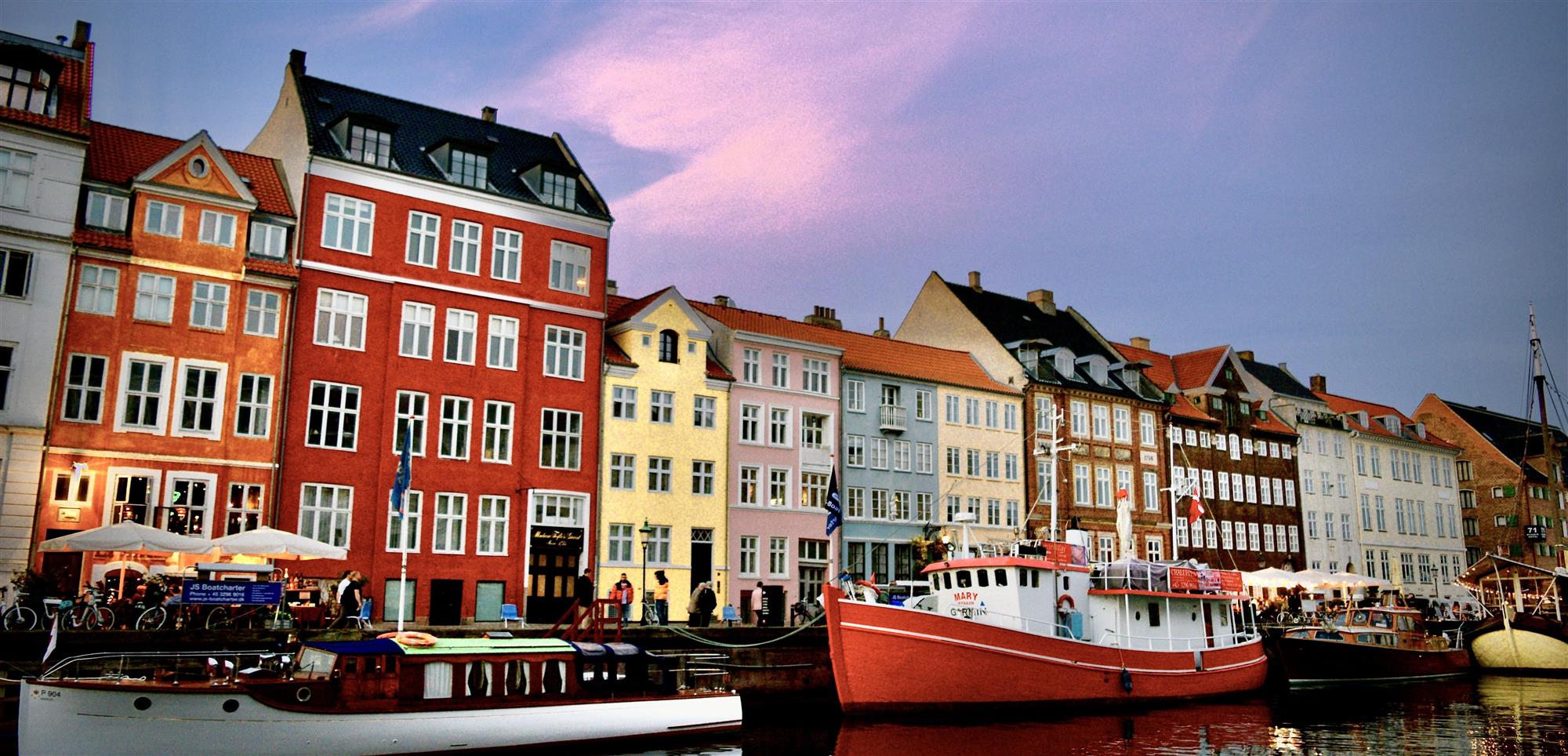
Copenhagen Market Pulse 2026 – Full Steam Ahead in the North
Snapshot of the Copenhagen hotel market in 2026 with an exploration of tourism demand, hotel performance, hotel supply, the investment market and the market outlook.
Canadian Lodging Outlook Quarterly 2025-Q4
Amidst great global geopolitical and economic uncertainty, Canadians showed their true “Elbows Up” resilience. The national hotel occupancy level cracked the 66% mark with close to 70 million occupied rooms across the country. This is a remarkable achievement, especially given that it was coupled with a 3.5% increase in average daily rates nationally, resulting in a 4.2% RevPAR uptick. The luxury segment saw the greatest lift in RevPAR at 8.7%, more than twice the national average.
Canadian Lodging Outlook Quarterly 2025-Q3
Through the third quarter, Canada, had strong RevPAR growth of 4.7%; however large disparities among markets are being witnessed across the country. Northern Alberta is leading with over 23% RevPAR growth year-to-date while Prince Edward Island and Saskatchewan are tied in 2nd and 3rd positions at 12.5% RevPAR growth. Markets facing high US tariffs or absorbing significant new supply in their markets are not faring nearly as well.
Canadian Lodging Outlook Quarterly 2025-Q2
Canada's hotel industry is very much holding it's own! In spite of major disruptors on both the economic and geopolitical fronts, through June occupancy has remained stable in comparison to 2024 and ADR has increased by $5, leading to an increase in RevPAR of 2.8%. Domestic demand has greatly contributed to mitigating the current international travel disruptors. Elbows Up Canada!
Halifax Hotel Market Revitalization
The Nova Scotia lodging market, particularly in Halifax, has experienced rapid growth in the years following the pandemic. In 2024, provincial RevPAR levels are projected to reach 128% of their 2019 benchmark, driven by rising ADR and an enhanced hotel supply.
Canadian Lodging Outlook Quarterly 2024-Q2
Canadian Hotel demand continues to outperform 2019 levels in terms of overall occupancy and is even neck and neck with 2018 which was Canada’s occupancy peak. ADR’s robust growth above inflationary rates at 4.3% YTD leads healthy RevPAR growth of 4.0% YTD June. In spite of inflation, deflated RevPARs are higher than pre-COVID levels. We have faced many headwinds with consumer disposable income constraints and geopolitical uncertainty; however, hotel performance continues to roar forward!
Canadian Lodging Outlook Quarterly 2023-Q3
Year-to-date 2023 market occupancy Canada wide has surpassed 2019 year-over-year at 67.5% vs. 66.9 % in 2019. Average Daily Rate continues to hold with more than a 20% premium resulting in RevPAR growth over 2019 of almost 22%!
Canadian Lodging Outlook Quarterly 2022-Q4
The Canadian hotel industry roared back in 2022! ADR was 10% higher than 2019 in spite of occupancy remaining 6% lower, resulting in a 3.5% RevPAR lift from pre COVID market performance. More good news for hoteliers; when RevPAR growth emanates from ADR, NOI’s are healthier as are hotel values. Fastest bounce back? Hotels less than 75 rooms in tertiary markets in Atlantic Canada. PEI and Newfoundland were the Provincial leaders with pre Covid RevPAR increases of 16.7% and 16.1% respectively.
Canadian Lodging Outlook Quarterly 2022-Q3
Given the high average rates achieved over the last quarter, Nationwide RevPAR is now onpar with 2019 through the month of September. Average rates need to be held firmly to continue onpar as Business Travel and Meeting and Group are not back yet.
Industry Insights
We have written thousands of articles about all aspects of hospitality, including valuations, investing, lending, operations, asset management, and much more.
Snapshot of the Copenhagen hotel market in 2026 with an exploration of tourism demand, hotel performance, hotel supply, the investment market and the market outlook.
Amidst great global geopolitical and economic uncertainty, Canadians showed their true “Elbows Up” resilience. The national hotel occupancy level cracked the 66% mark with close to 70 million occupied rooms across the country. This is a remarkable achievement, especially given that it was coupled with a 3.5% increase in average daily rates nationally, resulting in a 4.2% RevPAR uptick. The luxury segment saw the greatest lift in RevPAR at 8.7%, more than twice the national average.
Through the third quarter, Canada, had strong RevPAR growth of 4.7%; however large disparities among markets are being witnessed across the country. Northern Alberta is leading with over 23% RevPAR growth year-to-date while Prince Edward Island and Saskatchewan are tied in 2nd and 3rd positions at 12.5% RevPAR growth. Markets facing high US tariffs or absorbing significant new supply in their markets are not faring nearly as well.
Canada's hotel industry is very much holding it's own! In spite of major disruptors on both the economic and geopolitical fronts, through June occupancy has remained stable in comparison to 2024 and ADR has increased by $5, leading to an increase in RevPAR of 2.8%. Domestic demand has greatly contributed to mitigating the current international travel disruptors. Elbows Up Canada!
The Nova Scotia lodging market, particularly in Halifax, has experienced rapid growth in the years following the pandemic. In 2024, provincial RevPAR levels are projected to reach 128% of their 2019 benchmark, driven by rising ADR and an enhanced hotel supply.
Canadian Hotel demand continues to outperform 2019 levels in terms of overall occupancy and is even neck and neck with 2018 which was Canada’s occupancy peak. ADR’s robust growth above inflationary rates at 4.3% YTD leads healthy RevPAR growth of 4.0% YTD June. In spite of inflation, deflated RevPARs are higher than pre-COVID levels. We have faced many headwinds with consumer disposable income constraints and geopolitical uncertainty; however, hotel performance continues to roar forward!
Year-to-date 2023 market occupancy Canada wide has surpassed 2019 year-over-year at 67.5% vs. 66.9 % in 2019. Average Daily Rate continues to hold with more than a 20% premium resulting in RevPAR growth over 2019 of almost 22%!
The Canadian hotel industry roared back in 2022! ADR was 10% higher than 2019 in spite of occupancy remaining 6% lower, resulting in a 3.5% RevPAR lift from pre COVID market performance. More good news for hoteliers; when RevPAR growth emanates from ADR, NOI’s are healthier as are hotel values. Fastest bounce back? Hotels less than 75 rooms in tertiary markets in Atlantic Canada. PEI and Newfoundland were the Provincial leaders with pre Covid RevPAR increases of 16.7% and 16.1% respectively.
Given the high average rates achieved over the last quarter, Nationwide RevPAR is now onpar with 2019 through the month of September. Average rates need to be held firmly to continue onpar as Business Travel and Meeting and Group are not back yet.
Robust demand in urban centers continues to drive Canadian hotel values despite high interest rate environment.