Named the number-one “City on the Rise” in 2025 by LinkedIn, Grand Rapids is supported by major healthcare, grocery, and manufacturing employers. Several major developments are set to reshape the city’s landscape and strengthen hotel demand in the years ahead, including a new riverfront amphitheater, a professional soccer stadium, and an airport expansion.
This article examines Israel's tourism and hospitality industry, hotel investment and transactions market and the likely speed of recovery following the end of the war. It also discusses to what extent Israel's operational resilience, strategic flexibility and the untapped potential of the Abraham Accords will allow its tourism industry to recover.
In the past year, a surge of hotel consulting work in the Blue Ridge Mountains of southwestern North Carolina and northwestern Georgia has called attention to this market’s growth. The concentration of investment and development in this region indicates an opportunity hotspot, as the hotel supply is adapted to the increasing demand from travelers seeking high-quality properties.
Greenville, a city in the heart of South Carolina’s Upstate area, strengthened coming out of the pandemic and has continued its upward trajectory since. Supported by a strong economic base, thriving tourism industry, and small-town charm, the Greenville market remains one to watch.
Huntsville, also known as “Rocket City,” has rapidly become a major market in Alabama and the Southern United States, supported by a robust commercial and government demand base. As Huntsville undergoes unprecedented growth, hotel development has surged to meet the overflowing demand.
Today’s travelers are prioritizing their health and wellbeing more than ever before, triggering the rapid development worldwide of dedicated resorts and driving mainstream hotels to expand their facilities. Hala Matar Choufany, president of HVS Middle East Africa, drills down into the numbers and explains why health-related resorts offer significant potential for regional developers.
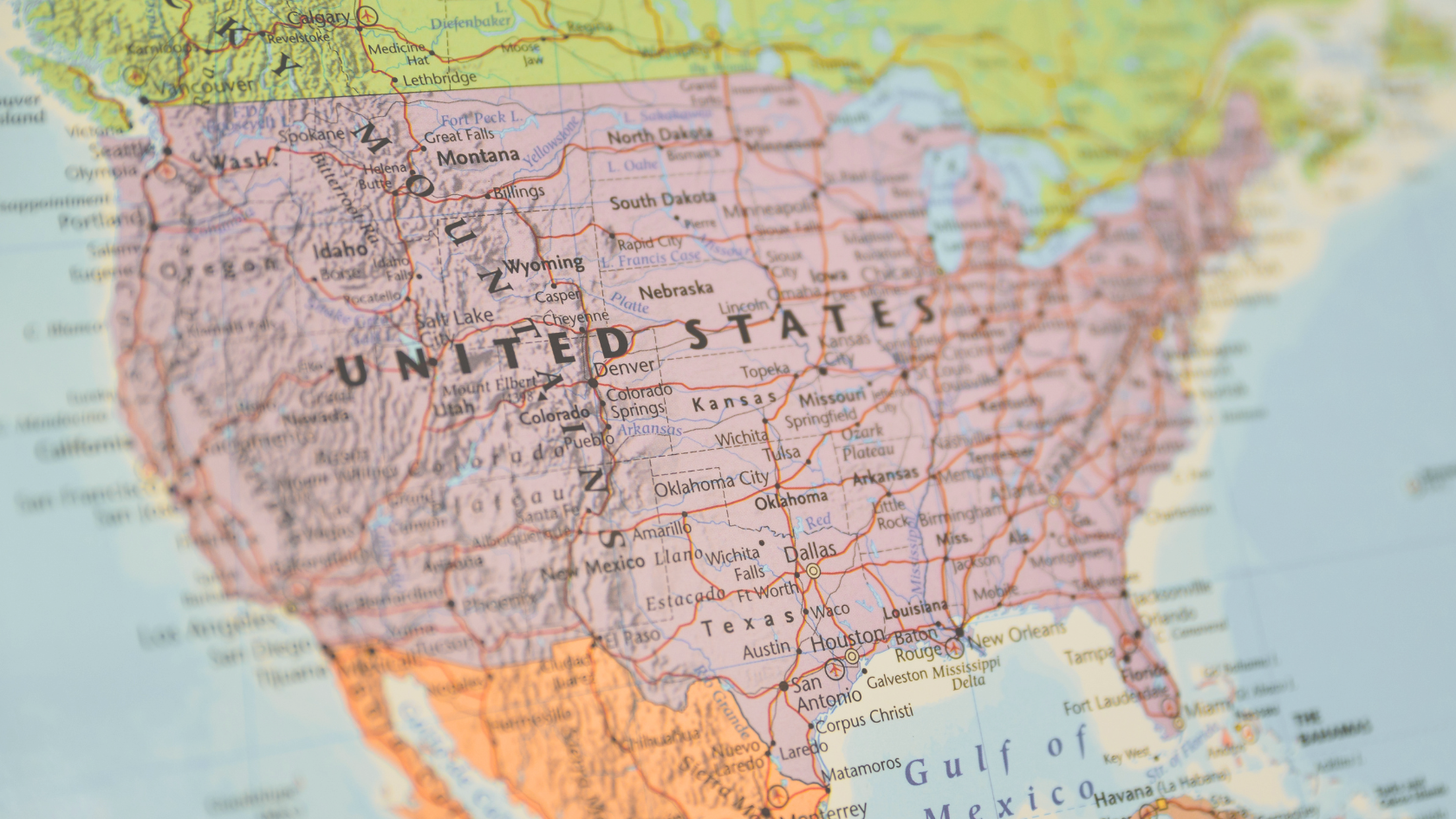
Austin, Dallas, Houston, and Fort Worth are pursuing convention center expansions totaling $7.6 to $7.8 billion, with San Antonio considering an additional $900 million project. These developments are largely enabled by Texas’s innovative financing mechanisms, such as Project Financing Zones. This article examines the scope of these projects and their policy foundations, while analyzing how they shape both Texas’s internal competition and its national positioning in the convention industry.
The Oregon Coast is a vibrant, drive-to destination in the Pacific Northwest, known for its scenic charm and strong tourism appeal. With steady post-pandemic recovery and revitalization efforts underway, the region is poised for continued growth, drawing visitors to its coastal cities year-round.
Located just south of Orlando, Kissimmee’s strategic position in Central Florida offers convenient access to surrounding commercial, leisure, and convention attractions. Traditionally a supporting player in the region’s tourism and business sectors, the city is emerging as a commercial and leisure destination in its own right, with planned developments anticipated to elevate its profile in hospitality and beyond.
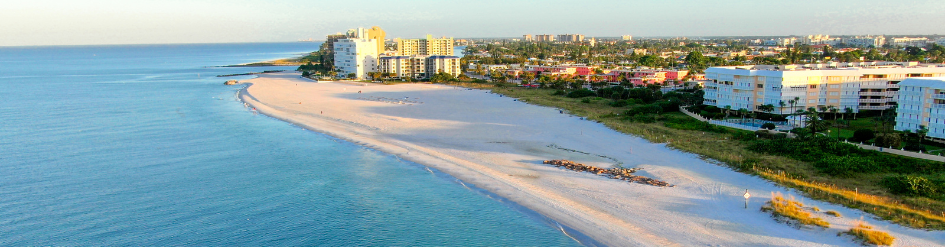
The Sarasota market is no longer just a snowbird destination in the winter months. Instead, the area is now thriving as a year-round destination, as evidenced by the area’s rising tourist tax collections, expanding demand centers including athletic facilities, and numerous development projects in the market’s pipeline.