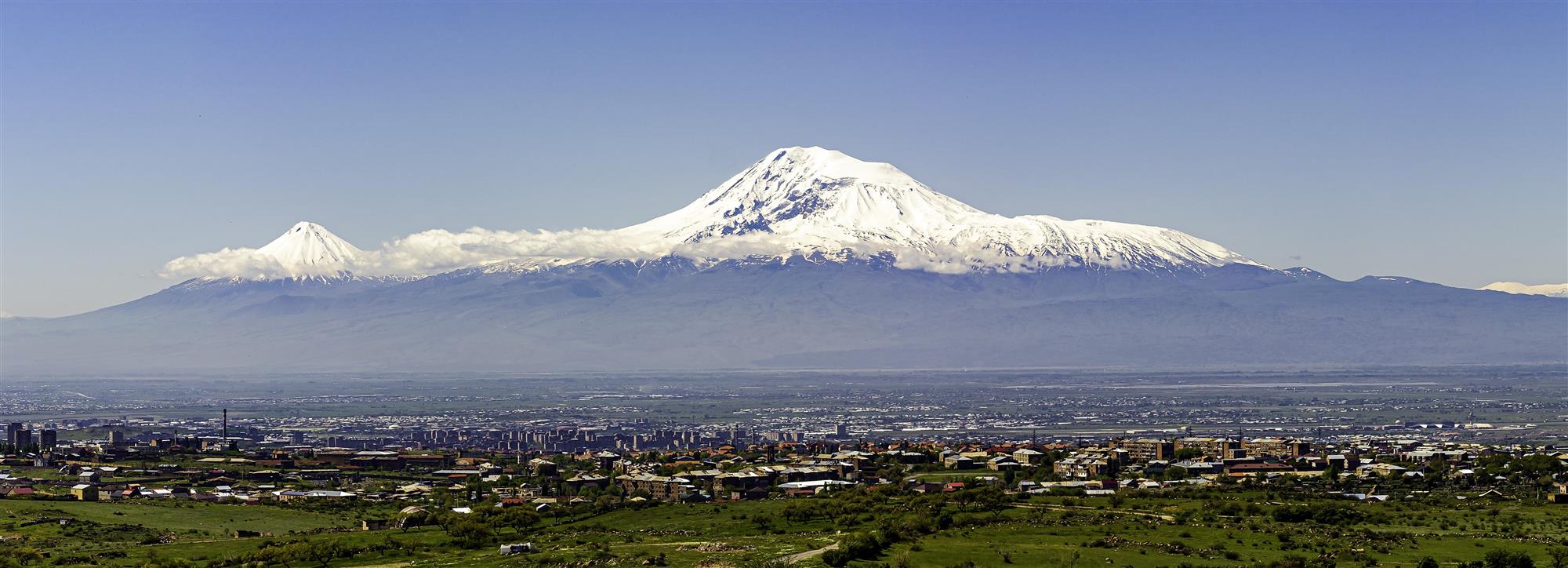
Snapshot of the Armenia hotel market in 2026 with an exploration of tourism demand, hotel performance, hotel supply, the investment market and the market outlook.
We have written thousands of articles about all aspects of hospitality, including valuations, investing, lending, operations, asset management, and much more.
Snapshot of the Armenia hotel market in 2026 with an exploration of tourism demand, hotel performance, hotel supply, the investment market and the market outlook.
The 2026 ARDA Spring Conference highlighted a strong, evolving timeshare industry, marked by high occupancy, steady sales, and growing adoption of AI and flexible ownership models. Consolidation among major brands and the phase-out of outdated resorts are reshaping the sector while strengthening its long-term stability and consumer appeal.
Eugene’s hotel market has experienced strong growth in recent years and continues to benefit from significant investment in the city. Eugene has emerged as a leading Pacific Northwest travel destination, and hotel demand benefits from its mix of demand generators that have resulted in increased commercial demand and a strong tourism industry.
In Focus: Singapore provides an overview of Singapore's tourism landscape and hotel market performance, infrastructure developments, hotel transactions and investments in 2025, an in-focus topic on wellness within the hospitality sector, as well as an outlook.
Billions of dollars in new development are reshaping Downtown Detroit and transforming its hotel market. From landmark mixed-use towers to a revitalized riverfront, the investment activity underway is generating new demand, attracting first-time visitors, and positioning Motown as a legitimate destination for both leisure and business travel.
Raleigh’s hotel market outlook remains strong, supported by its role as North Carolina’s capital and its education, healthcare, and manufacturing sectors. Demand, ADR, and RevPAR continue to rise despite new supply additions, with demand growth outpacing new supply. Major convention, mixed-use, and healthcare developments are expected to further strengthen hotel demand.
This article evaluates how full-service, select- and limited-service, and extended-stay hotels in the Kansas City metro market have performed across economic cycles. Our analysis highlights key differences in revenue potential, risk exposure, and recovery patterns to inform development and investment decisions.
HVS discusses the main hotel transactions that took place in 2025 and looks at the trends in single-asset and portfolio transactions over the years.
Nestled among the iconic red rock formations of northern Arizona, Sedona is one of the most distinctive leisure destinations in the American Southwest. Over the past decade, Sedona’s hotel market has demonstrated remarkable resilience, supported by strong leisure demand, constrained hotel supply, and a reputation as a premium outdoor and wellness destination.
San Diego remains one of the West Coast’s most attractive hotel investment markets, driven by diversified demand from leisure, conventions, military, and life sciences. With roughly 45% of downtown keys owned by REITs and private equity, the market reflects strong institutional confidence, resilient performance, active transactions, and long-term growth supported by major infrastructure investments.
Robust demand in urban centers continues to drive Canadian hotel values despite high interest rate environment.