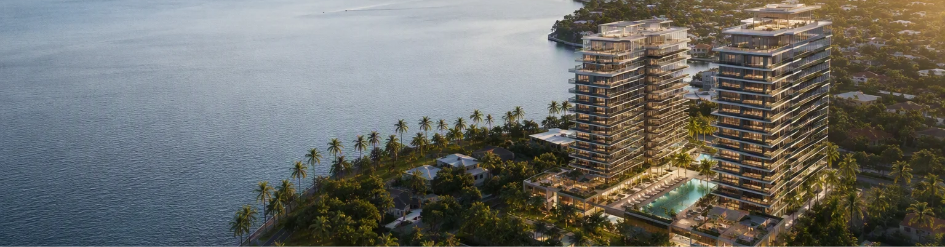
Each year, HVS researches and compiles development costs from our database of actual hotel construction budgets. This source provides the basis for our illustrated total development costs per room and per product type.
We have written thousands of articles about all aspects of hospitality, including valuations, investing, lending, operations, asset management, and much more.
Each year, HVS researches and compiles development costs from our database of actual hotel construction budgets. This source provides the basis for our illustrated total development costs per room and per product type.
Sacramento has emerged as a bright spot in California’s hospitality market, with significant growth underway and on the horizon. Although recent inflation and broader economic pressures have tempered the pace of expansion, future development activity and sustained hospitality demand provide a strong foundation for long-term growth.
Less than two years after Hurricanes Helene and Milton reshaped Florida's Gulf Beaches, the Pinellas beachfront lodging market is demonstrating remarkable resilience through renewed tourism demand, major resort reinvestment, and a growing development pipeline.
The U.S. hotel sector continues to show strength, with weekly RevPAR gains averaging 4.0% YTD through May and exceeding 5.0% in recent weeks. Our latest RevPAR growth forecast reflects 3.0% for 2026, which may be on the conservative side if elevated travel trends continue through the summer vacation and fall convention seasons.
Anaheim’s hotel market did not deliver the banner 2025 many expected, but the more important story is what lies ahead. Long-term Disney investment, a strengthening convention calendar, and the emergence of mega-development OCVIBE are positioning Anaheim for a new phase of lodging demand growth.
Memphis has struggled following the pandemic, which resulted in a loss of demand and business for hotels in the market. In response, the City of Memphis has initiated a significant revitalization effort to strengthen the Downtown core and reinvent Memphis as a major destination in the United States.
Cape Town's tourism has shown remarkable resilience through global crises, with air connectivity proving to be the quiet engine behind its rise as a world-class destination. The numbers reveal surprising insights about where visitors come from, how much they spend, and how growth is spreading well beyond the city itself.
Cleveland’s hotel market is steadily recovering, driven by growing leisure travel, rebounding group and convention business, and stable healthcare demand. This diverse mix creates a balanced, resilient market, offering consistent performance and long-term stability rather than rapid, volatile growth.
The AAHOA Central Midwest Conference in Oklahoma City highlighted key hospitality issues, including rising ADA-compliance concerns. Attendees also discussed market trends, noting stable financing despite recent interest rate fluctuations.
The 2026 ARDA Spring Conference highlighted a strong, evolving timeshare industry, marked by high occupancy, steady sales, and growing adoption of AI and flexible ownership models. Consolidation among major brands and the phase-out of outdated resorts are reshaping the sector while strengthening its long-term stability and consumer appeal.
We have written thousands of articles about all aspects of hospitality, including valuations, investing, lending, operations, asset management, and much more.
Each year, HVS researches and compiles development costs from our database of actual hotel construction budgets. This source provides the basis for our illustrated total development costs per room and per product type.
Sacramento has emerged as a bright spot in California’s hospitality market, with significant growth underway and on the horizon. Although recent inflation and broader economic pressures have tempered the pace of expansion, future development activity and sustained hospitality demand provide a strong foundation for long-term growth.
Less than two years after Hurricanes Helene and Milton reshaped Florida's Gulf Beaches, the Pinellas beachfront lodging market is demonstrating remarkable resilience through renewed tourism demand, major resort reinvestment, and a growing development pipeline.
The U.S. hotel sector continues to show strength, with weekly RevPAR gains averaging 4.0% YTD through May and exceeding 5.0% in recent weeks. Our latest RevPAR growth forecast reflects 3.0% for 2026, which may be on the conservative side if elevated travel trends continue through the summer vacation and fall convention seasons.
Anaheim’s hotel market did not deliver the banner 2025 many expected, but the more important story is what lies ahead. Long-term Disney investment, a strengthening convention calendar, and the emergence of mega-development OCVIBE are positioning Anaheim for a new phase of lodging demand growth.
Memphis has struggled following the pandemic, which resulted in a loss of demand and business for hotels in the market. In response, the City of Memphis has initiated a significant revitalization effort to strengthen the Downtown core and reinvent Memphis as a major destination in the United States.
Cape Town's tourism has shown remarkable resilience through global crises, with air connectivity proving to be the quiet engine behind its rise as a world-class destination. The numbers reveal surprising insights about where visitors come from, how much they spend, and how growth is spreading well beyond the city itself.
Cleveland’s hotel market is steadily recovering, driven by growing leisure travel, rebounding group and convention business, and stable healthcare demand. This diverse mix creates a balanced, resilient market, offering consistent performance and long-term stability rather than rapid, volatile growth.
The AAHOA Central Midwest Conference in Oklahoma City highlighted key hospitality issues, including rising ADA-compliance concerns. Attendees also discussed market trends, noting stable financing despite recent interest rate fluctuations.
The 2026 ARDA Spring Conference highlighted a strong, evolving timeshare industry, marked by high occupancy, steady sales, and growing adoption of AI and flexible ownership models. Consolidation among major brands and the phase-out of outdated resorts are reshaping the sector while strengthening its long-term stability and consumer appeal.
Robust demand in urban centers continues to drive Canadian hotel values despite high interest rate environment.