This report highlights the key trends in the Indian hospitality industry in 2025 along with the sector performance metrics, brand signings, and brand openings during the year. It also provides our outlook for the sector for 2026.
Industry Insights
We have written thousands of articles about all aspects of hospitality, including valuations, investing, lending, operations, asset management, and much more.
HVS Anarock India Hospitality Industry Overview 2025
This report highlights the key trends in the Indian hospitality industry in 2025 along with the sector performance metrics, brand signings, and brand openings during the year. It also provides our outlook for the sector for 2026.
From Niche Luxury to Financing Tool: Branded Residential Matures
A review of how a Branded Residential component can, in a world of rising construction costs, make new-build development make financial sense.
Shock, Divergence, and Recovery: The Impact of the 2026 U.S.–Iran Conflict on GCC Hospitality
The 2026 U.S.-Iran conflict caused a sharp, rapid disruption to GCC hospitality by collapsing aviation capacity and traveler confidence. While flights began recovering after April, hotel demand lagged. Internationally exposed markets like the UAE were hit hardest, while Saudi Arabia showed resilience due to domestic and religious demand. Recovery is expected to be gradual, driven more by confidence than connectivity.
Resilience on Display: Chicago Tourism Gains Momentum
Chicago’s tourism rebound strengthened in 2025, with hotel demand rising despite global headwinds. Leisure demand grew 4.6%, offsetting softer group business, while airports posted record traffic and major capital investment. Convention activity remains robust, and limited new hotel supply favors existing assets, supporting a resilient outlook for investors and operators.
When Hotels Become Ecosystems: The Real Impact of Mixed-Use Development
Mixed-use is no longer a design experiment - it is quietly reshaping how hospitality assets are financed, programmed, and experienced. Increasingly, the hotel serves as the connective tissue within a broader ecosystem. The winners will not be the projects that simply add uses, but those that deliberately align design, operations, and recurring revenue into a cohesive, durable platform.
Financing in a Higher-for-Longer World: How Hotel Owners Can Still Close Deals
The financing environment has reset and is unlikely to fully reverse. Owners closing deals today have stopped waiting and started working—cleaning up operating statements, proactively managing capital stacks, and presenting well-documented asset stories. Rate is only one variable; others, such as NOI, loan structure, asset condition, and preparation, remain within owners’ control. For owners willing to work, deals are getting done.
2025 European Hotel Transactions
HVS discusses the main hotel transactions that took place in 2025 and looks at the trends in single-asset and portfolio transactions over the years.
Hotel Discount Rates and Equity Yields: A Decade of Shifting Investor Expectations
Over the past decade, equity yields for hotel investments have declined steadily across all segments, reflecting growing investor confidence in the asset class. Discount rates, by contrast, have remained relatively stable, moving with broader economic conditions. With equity yields approaching a natural floor, stability is the most likely near-term outlook.
What Every Owner Needs to Know Before Deciding to Sell, Hold, or Renovate in 2026
U.S. hotels had a difficult year in 2025, with RevPAR down 0.3%—the first non-recessionary decline on record. Conditions are improving, and 2026 appears to be a stabilization year. This playbook examines the pricing floor, segment performance variations, and PIP and debt maturity pressures. It also includes a “seller-readiness checklist” for timing a sale.
The Life of a Slipper: Spa & Wellness Form and Function
The simple choice between disposable or reusable spa slippers reveals the deeper relationship between form, function, sustainability, and brand identity in spa and wellness design. By examining this micro decision, this article highlights how small details illustrate the relationship among guest experience, operational flow, and the financial performance of a resort spa or wellness center.
Industry Insights
We have written thousands of articles about all aspects of hospitality, including valuations, investing, lending, operations, asset management, and much more.
A review of how a Branded Residential component can, in a world of rising construction costs, make new-build development make financial sense.
The 2026 U.S.-Iran conflict caused a sharp, rapid disruption to GCC hospitality by collapsing aviation capacity and traveler confidence. While flights began recovering after April, hotel demand lagged. Internationally exposed markets like the UAE were hit hardest, while Saudi Arabia showed resilience due to domestic and religious demand. Recovery is expected to be gradual, driven more by confidence than connectivity.
Chicago’s tourism rebound strengthened in 2025, with hotel demand rising despite global headwinds. Leisure demand grew 4.6%, offsetting softer group business, while airports posted record traffic and major capital investment. Convention activity remains robust, and limited new hotel supply favors existing assets, supporting a resilient outlook for investors and operators.
Mixed-use is no longer a design experiment - it is quietly reshaping how hospitality assets are financed, programmed, and experienced. Increasingly, the hotel serves as the connective tissue within a broader ecosystem. The winners will not be the projects that simply add uses, but those that deliberately align design, operations, and recurring revenue into a cohesive, durable platform.
The financing environment has reset and is unlikely to fully reverse. Owners closing deals today have stopped waiting and started working—cleaning up operating statements, proactively managing capital stacks, and presenting well-documented asset stories. Rate is only one variable; others, such as NOI, loan structure, asset condition, and preparation, remain within owners’ control. For owners willing to work, deals are getting done.
HVS discusses the main hotel transactions that took place in 2025 and looks at the trends in single-asset and portfolio transactions over the years.
Over the past decade, equity yields for hotel investments have declined steadily across all segments, reflecting growing investor confidence in the asset class. Discount rates, by contrast, have remained relatively stable, moving with broader economic conditions. With equity yields approaching a natural floor, stability is the most likely near-term outlook.
U.S. hotels had a difficult year in 2025, with RevPAR down 0.3%—the first non-recessionary decline on record. Conditions are improving, and 2026 appears to be a stabilization year. This playbook examines the pricing floor, segment performance variations, and PIP and debt maturity pressures. It also includes a “seller-readiness checklist” for timing a sale.
The simple choice between disposable or reusable spa slippers reveals the deeper relationship between form, function, sustainability, and brand identity in spa and wellness design. By examining this micro decision, this article highlights how small details illustrate the relationship among guest experience, operational flow, and the financial performance of a resort spa or wellness center.
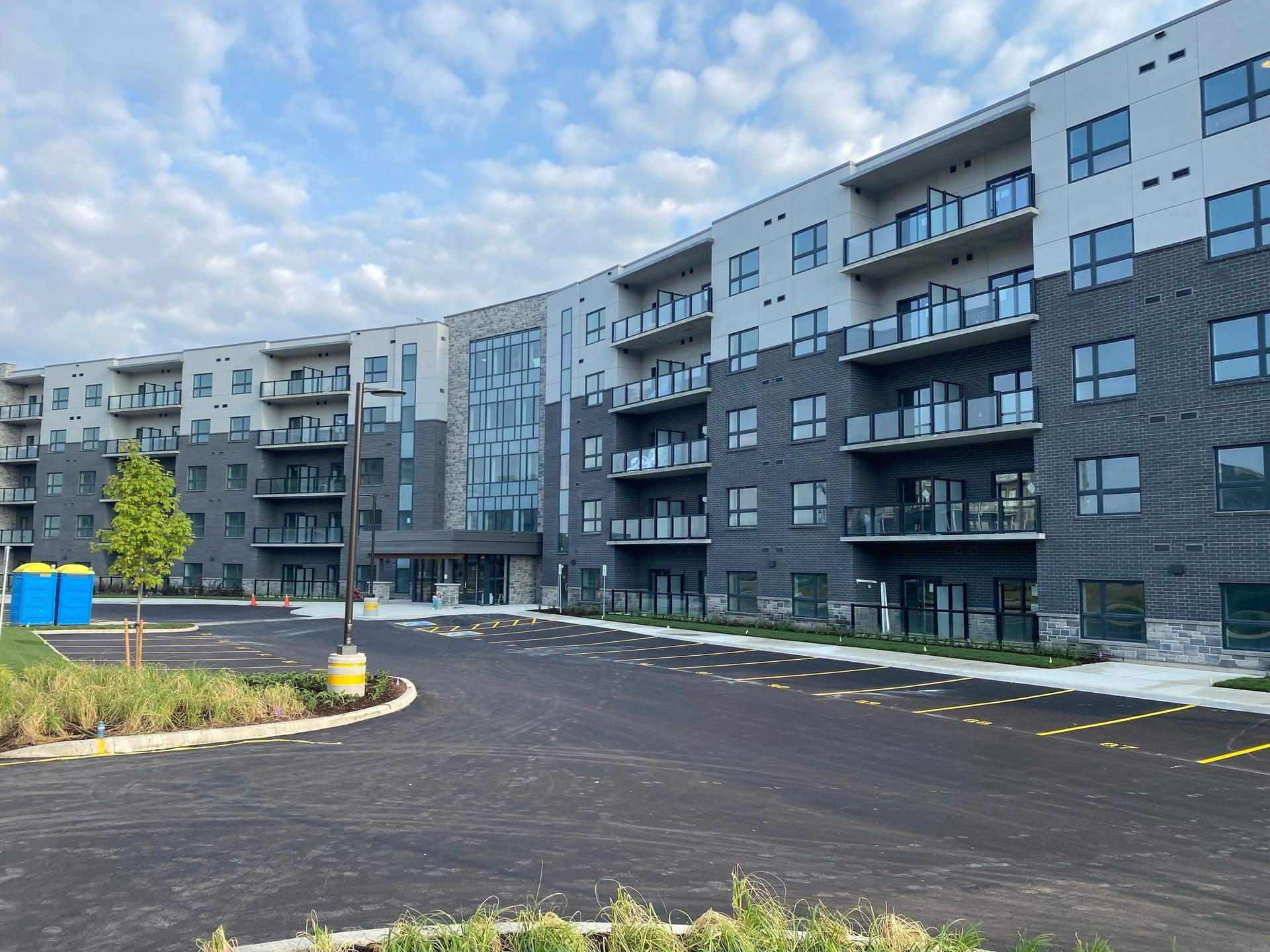
Robust demand in urban centers continues to drive Canadian hotel values despite high interest rate environment.